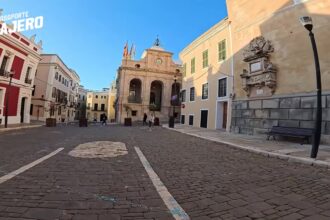



The best Italy travel tips for first time visitors are simple: choose fewer places, connect the major cities by train, and leave room for long meals and unplanned walks. Italy rewards a slower itinerary far more than a rushed checklist, especially when Rome, Florence and Tuscany are all competing for your time. This guide explains how to shape a first trip, when to go, what key transport and sightseeing costs look like in 2026, and how to avoid the common mistake of trying to see the entire country in one week.

What Gabriel Herrera’s journey shows
- The video begins from the perspective of daily life after moving to Italy, rather than treating the country as a list of attractions.
- Gabriel Herrera and his family reflect on adapting to a new routine, local customs and the practical surprises of living abroad.
- The story turns to the personal signs and questions that lead them to wonder whether their family may be growing sooner than expected.
- Between the conversation and emotional uncertainty, the setting remains connected to their new Italian life and their continued exploration of Tuscany.
- It is a useful reminder for visitors: Italy is not only about landmark-hopping; its appeal is also in neighbourhood rhythms, meals, countryside and time spent in one place.
Watch Gabriel Herrera’s Italy vlog here, then use the planning advice below to build a trip that is realistic for your own pace.
How to get around Italy without wasting your trip
For a first visit, fly into a major gateway with strong rail connections and plan a simple north-to-south or south-to-north route. Rome, Florence, Bologna, Venice, Milan and Naples are connected by fast trains, so a car is unnecessary for a city itinerary. Trenitalia says the Rome–Florence Frecciarossa route takes just over one and a half hours, with more than 100 daily connections, making it practical to use Florence as the bridge between Rome and northern Italy.
Book high-speed journeys in advance when your dates are fixed, but do not over-schedule every hour. Discounted fares have limited availability and stricter change rules, while flexible fares cost more. Keep a screenshot of each ticket, arrive at the correct station early, and check the departure board for the platform shortly before boarding. Regional trains are excellent for smaller towns, but allow more time and verify whether your ticket needs validation.
If Venice is on your route, give it at least two nights rather than treating it as a day trip from another city. Our Venice first-time guide explains how to choose an area and navigate the city without relying on a rushed sightseeing loop.
Best time to visit Italy for a first trip
April to June and September to October are the strongest all-round choices for a first Italian itinerary. Spring brings mild conditions and outdoor colour, while autumn is particularly rewarding for countryside walks, villages, food and wine experiences. Italy’s official tourism board highlights spring for favourable climate and autumn for slower travel through villages, parks and food-producing regions.
July and August work best if beaches, lakes or mountain time are your priorities, but expect hotter cities and heavier demand. Winter is an excellent value-minded season for Rome, Florence, Naples and museum visits, although daylight is shorter and some coastal or rural places feel quieter. For Tuscany, aim for at least three nights: one day for Florence and two for a smaller town, vineyard area or agriturismo base.
What Italy costs in 2026
Accommodation, meals and rail fares change sharply by date, city and booking lead time, so treat any total-trip budget as personal rather than fixed. The prices below are official entry and transport prices that help anchor a first itinerary; book museums only through their official ticket channels when possible.
| Item | Verified 2026 price | Useful detail |
|---|---|---|
| Rome BIT public-transport ticket | €1.50 | Valid for 100 minutes from first validation; metro use is limited to one journey. |
| Colosseum, Roman Forum and Palatine standard ticket | €18 | Valid for 24 hours; a timed Colosseum entry reservation is required. |
| Uffizi Gallery ticket bought in advance | €29 | Named ticket; buying on the day costs €25, subject to availability. |
| Boboli Gardens ticket bought in advance | €13 | Buying on the day costs €10, subject to availability. |
| FrecciaYOUNG high-speed offer | From €19 | For CartaFRECCIA members under 30, with limited seats and advance-purchase conditions. |
Rome’s official ATAC BIT ticket is €1.50, while the Colosseum’s standard 24-hour ticket is €18. The Uffizi publishes advance and same-day rates separately, and Trenitalia’s under-30 FrecciaYOUNG offer starts at €19 but is limited and non-refundable.

Where to stay on your first Italy itinerary
Choose accommodation by transport convenience, not just by the most famous postcode. In Rome, stay within easy reach of a metro stop or walkable distance from the historic centre. In Florence, an area near Santa Maria Novella station is practical for arrival and onward rail travel, while Oltrarno suits travellers who prefer a more residential evening atmosphere. In Tuscany, stay in Florence if you have only one night; otherwise, use a countryside base only if you are comfortable renting a car or arranging local transfers.
For a first trip of seven to nine nights, avoid changing hotels every night. A smart pattern is three nights in Rome, three in Florence or Tuscany, and two in Venice, Bologna or Naples. If you want to add a less obvious region after Tuscany, see our Hidden Places in Italy guide for ideas beyond the classic route.
First-time Italy safety and planning tips
Italy is straightforward to travel independently, but the most common problems are preventable: pickpocketing in crowded transport areas, unofficial sellers near landmarks, missed trains caused by tight connections, and arriving at sold-out attractions without reservations. Carry valuables in a zipped bag worn in front in busy places, use official taxis or established ride services, and keep your passport secured rather than loose in a day bag.
Pre-book the Colosseum and major Florence museums, particularly in busy periods. The Colosseum’s official site states that timed-entry ticket sales open 30 days before a visit date; its seasonal closing time also changes, so always check the date-specific schedule before planning an evening.
Use cards for most purchases, but keep some euros for small independent businesses and rural stops. Italy’s official tourism information confirms that the euro is the currency and that major payment networks are widely used.
Day-by-day (how to travel it yourself)
Day 1: Rome. Arrive, check in, and keep the first afternoon local: a neighbourhood walk, piazza, trattoria and early night. Do not try to “catch up” on sights after a long flight.
Day 2: Ancient Rome. Reserve the Colosseum for the morning, then continue through the Forum and Palatine at an unhurried pace. Use the evening for Monti, Trastevere or a walk around the Pantheon area.
Day 3: Rome to Florence. Take a morning high-speed train and use the afternoon for Florence’s compact centre. Reserve the Uffizi for late afternoon or the following morning rather than squeezing it between transfers.
Day 4: Florence. Visit the Uffizi or Accademia, then cross the Arno for Oltrarno workshops, quieter streets and sunset views. Build in a long lunch: it is part of the experience, not lost sightseeing time.
Day 5: Tuscany at a slower pace. Join a small-group countryside day trip or rent a car only if you are comfortable with rural driving, parking rules and limited wine tasting. Base the day around one or two villages, a vineyard lunch or an agriturismo rather than a dozen photo stops.
Day 6: Florence to Venice or Bologna. Choose Venice for canals and a distinctive finale, or Bologna for food and an easier, less crowded city break. For a broader southern-European comparison, our Portugal first-time visitors guide may help when deciding how much time to dedicate to cities versus coast and countryside.
Days 7–8: One final base. Stay put, explore on foot, and depart from the airport or rail hub that best fits your international flight. Adding Milan, the Amalfi Coast and Sicily to this route would turn a good first trip into a tiring transit exercise; save them for a return visit.
Frequently asked questions
How many days do first-time visitors need in Italy?
Seven to nine nights is enough for Rome, Florence or Tuscany, and one additional city. With two weeks, add Venice, Bologna, Naples or a second region rather than trying to cover the entire country.
Should I rent a car in Italy?
Not for Rome, Florence, Venice, Milan or Bologna. Rent one only for a countryside-focused Tuscany, Umbria, Puglia or Sicily segment, and research restricted traffic zones and parking before driving into historic centres.
Is it better to book Italian trains in advance?
Book high-speed trains in advance when you need a particular departure or want the best chance of a discounted fare. Regional trains are usually more flexible, but always check the service and ticket conditions.
What is the biggest first-time Italy itinerary mistake?
Changing cities too often. Three nights in a major city is usually the minimum that allows you to see highlights, eat well, recover from travel and experience a little of the local rhythm.
Facts and prices verified in October 2026. Travel with Influencers is an independent fan/editorial guide, not affiliated with or endorsed by the creators featured. Watch and support the original creator: Gabriel Herrera on YouTube.