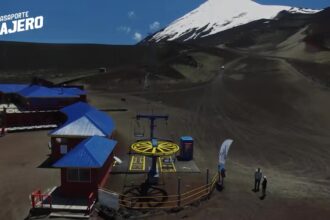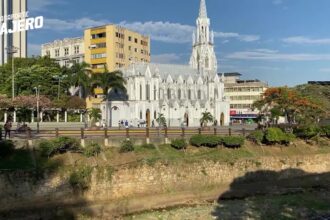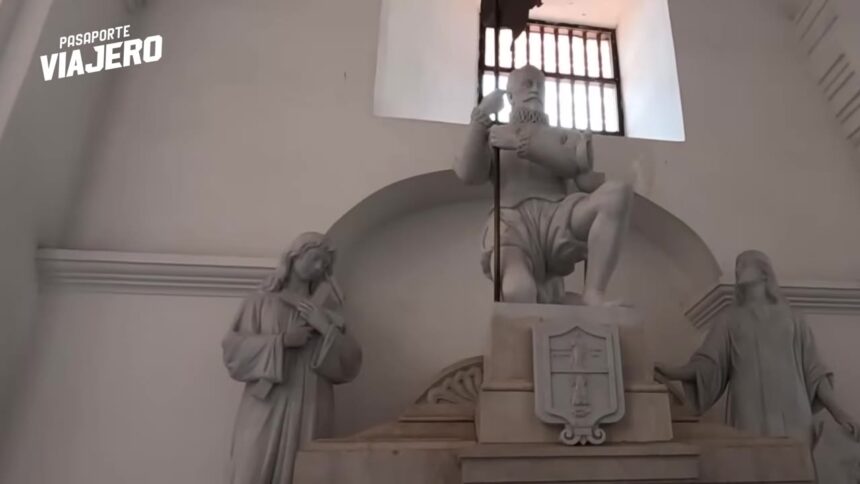
The best things to do in Santa Marta Colombia combine a walkable colonial center, Caribbean beaches, and easy access to Tayrona National Park and the Sierra Nevada. Use the city as a practical base rather than treating it as a one-stop beach resort: spend time in the historic core, add a coastal day trip, and leave room for nature beyond town. This guide explains how to arrive, when to go, what verified 2026 entry costs look like, where to stay, and how to recreate the trip at your own pace.
What Pasaporte Viajero’s journey shows
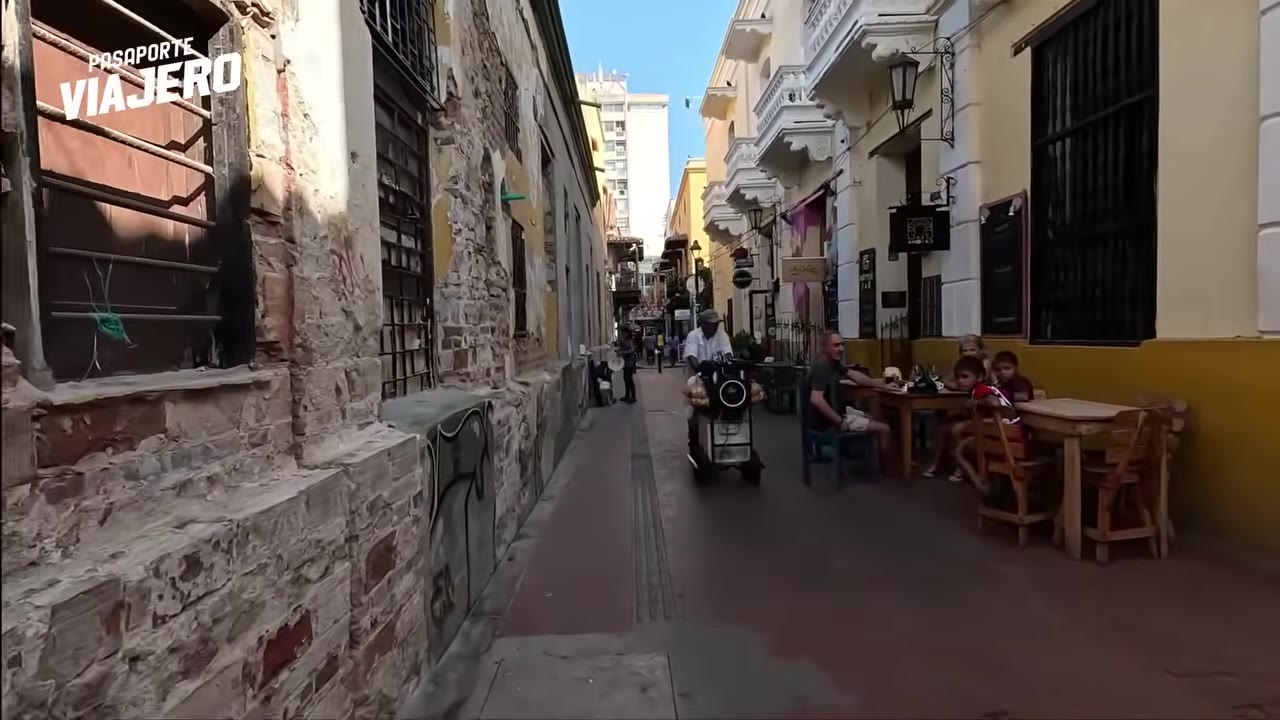
- A first look at Santa Marta’s historic center, with its colonial-era streets, plazas and cathedral.
- The waterfront and marina area, which are especially rewarding around sunset.
- Casa de la Aduana and the city’s Tairona heritage, an essential context before heading into the wider region.
- Beach time around El Rodadero, Playa Blanca and Taganga, showing the contrast between busy urban shores and smaller fishing-bay scenery.
- The bigger escapes that make Santa Marta a gateway: green Minca in the Sierra Nevada and the beaches and trails of Tayrona National Park.
Watch Pasaporte Viajero’s visual introduction before planning your own route.
How to get to Santa Marta
Fly into Simón Bolívar International Airport (SMR), which serves Santa Marta, or arrive overland at the city transport terminal. Santa Marta also works well as the next stop after Barranquilla on a Caribbean itinerary; see our Barranquilla travel guide for ideas on linking the two cities. From central Santa Marta, buses and shared transport toward Palomino and La Guajira pass the main Tayrona access area; the official local tourism office also notes that boats depart for some coastal sites from Rodadero and Taganga.
For a short stay, base yourself in Centro Histórico and use taxis or booked transport for El Rodadero, Taganga and the airport. For Tayrona, leave early: the Zaíno entrance is 32 kilometres from Santa Marta and the national park estimates about 45 minutes by private vehicle, before allowing for onward park transport and walking.
Best time to visit Santa Marta
December through April is the strongest all-round window for beach days, city walks and Sierra Nevada excursions, with sunnier conditions in the Caribbean. June through August can also be a good weather choice, although school holidays and local travel periods bring more demand. Santa Marta stays warm year-round; Colombia Travel gives the city an average temperature of 28°C.
Do not plan Tayrona without checking its operating status. The park has scheduled annual conservation closures from February 1 to 15, June 1 to 15, and October 19 to November 2. As this guide is verified on October 26, 2026, Tayrona is currently closed and is scheduled to resume ecotourism activities on November 3, 2026.
What Santa Marta costs in 2026
Prices below are official published charges in Colombian pesos (COP), not a full trip budget. Accommodation, meals, taxis, boats, guides and park insurance are separate expenses and can vary widely by date and operator.
| Item | 2026 price | Notes |
|---|---|---|
| Tayrona entry: foreign visitor, non-resident | COP 81,000 low season / COP 96,500 high season | Standard entry; insurance and transport are extra. |
| Tayrona entry: Colombian resident, CAN member or foreign resident aged 25+ | COP 36,500 low season / COP 43,000 high season | Bring valid identification for the applicable rate. |
| Bahía Concha entry: foreign visitor, non-resident | COP 43,500 | Published as a year-round rate. |
| Museo del Oro Tairona | Free | Check current opening information before setting out. |
Park entry is sold separately from guided activities, food, accommodation and transport. Tayrona also requires visitor accident insurance, and the park advises visitors to confirm current conditions before travel.
Where to stay in Santa Marta
Centro Histórico is the best choice for a first visit: you can walk to the cathedral, Parque de los Novios, the waterfront and the Museo del Oro Tairona, while restaurants are close at hand. Choose El Rodadero if your priority is an urban beach, family facilities and easy boat connections to Playa Blanca or the aquarium. Taganga suits travelers who prefer a smaller bay and a more informal diving-and-boat-trip atmosphere, while Minca is better as an overnight nature add-on than as a base for city sightseeing.
For a wider Colombia trip, Santa Marta pairs particularly well with a culture-focused stop in the southwest; our guide to Cali, Colombia can help you plan that contrast between Caribbean coast and salsa city.
Safety and practical tips
Use the same sensible habits you would in any busy city: keep phones and valuables out of sight on quiet streets, use licensed or pre-arranged transport after dark, and do not carry every bank card or document with you. For beach and boat trips, check sea conditions, use a reputable operator and confirm that life jackets are available. The U.S. State Department’s Colombia advisory, issued March 31, 2026, advises travelers to reconsider travel because of countrywide risks including crime, terrorism, unrest, kidnapping and natural disasters; read the full advice relevant to your nationality before departure.
In Tayrona, stay on marked trails, swim only where conditions allow, and bring refillable water rather than single-use plastic. The park prohibits single-use plastic items, drones without permission, alcohol bottles and speakers, and it can restrict access according to daily capacity or weather conditions.
Day-by-day (how to travel it yourself)
Day 1: Historic Santa Marta and sunset by the sea. Start at the cathedral and walk the compact center around Parque Bolívar. Visit the free Museo del Oro Tairona in Casa de la Aduana, then continue toward the marina and Malecón de Bastidas for sunset. The museum’s Tairona collection makes the natural and cultural landscapes you will see later far more meaningful.
Day 2: Choose a beach day. For a straightforward local outing, spend the day at El Rodadero and take a boat to Playa Blanca or the marine aquarium if sea conditions are suitable. For a less urban feel, go to Taganga, enjoy the bay, and arrange a responsible boat excursion only after checking the weather and safety equipment.
Day 3: Tayrona or Minca. If Tayrona is open, leave early for the park and select one realistic route rather than trying to see every beach in a rushed day. Zaíno is the principal land entrance for Cañaveral, Arrecifes and Cabo San Juan. If park closures, weather or your energy level make Tayrona impractical, choose Minca instead for cooler mountain scenery, coffee-country atmosphere and waterfalls.
Optional Day 4: Slow down or go farther. Add Quinta de San Pedro Alejandrino and a relaxed final evening in the center, or use the extra day for a guided Minca visit. Travelers continuing along the coast can also compare Santa Marta’s beaches with the ideas in our Venezuela beach guide, while carefully reviewing current border and travel advice before making any cross-border plans.
Frequently asked questions
How many days do I need in Santa Marta?
Three full days is a good minimum: one for the historic center, one for a beach outing, and one for Tayrona or Minca. Add a fourth day if you want both major nature trips without rushing.
Can I visit Tayrona National Park as a day trip from Santa Marta?
Yes, but start early and check the official status before leaving. Tayrona has annual closure periods and access arrangements can change, so do not book non-refundable transport without confirming that your chosen sector is operating.
Is Santa Marta itself good for beaches?
It is convenient for waterfront walks and beach time, especially around El Rodadero, but its greatest strength is access to different beach settings: Taganga, Playa Blanca, Bahía Concha and Tayrona’s protected coastline.
Should I carry cash in Santa Marta?
Carry a modest amount of Colombian pesos for small purchases, tips and places where cards may not be accepted, but keep most funds secure and avoid displaying a large amount of cash in public.
Facts and prices verified in October 2026. Travel with Influencers is an independent fan/editorial guide, not affiliated with or endorsed by the creators featured. Watch and support the original creator: Pasaporte Viajero on YouTube.