

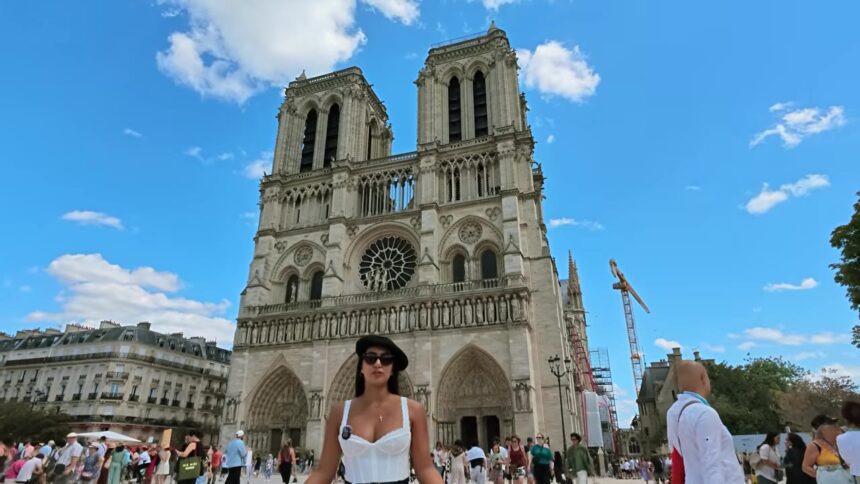
Paris travel culture tips for tourists start with one simple idea: approach Paris as a lived-in city, not a film set, and the experience will feel far more rewarding. This guide explains the everyday habits, practical etiquette, costs and planning choices that help first-time visitors enjoy the French capital beyond the stereotypes. You will also find a realistic itinerary inspired by Michelle Thielen’s journey through the Eiffel Tower, Montmartre, Versailles, the Louvre and the Seine.
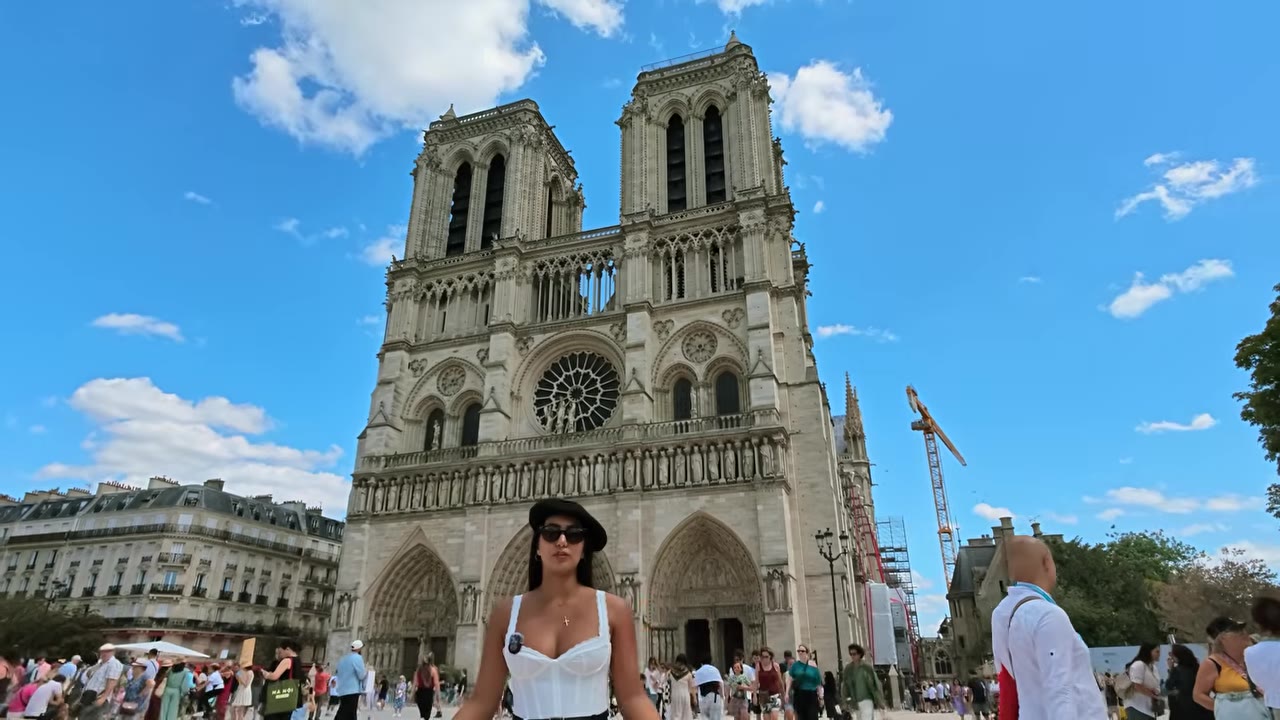
What Michelle Thielen’s journey shows
- She begins with the unmistakable symbol of the city: the Eiffel Tower and its surrounding viewpoints.
- Her route moves into Montmartre, where steep streets, cafés and the hilltop setting reveal a more village-like side of Paris.
- She visits the gardens and grand setting of the Palace of Versailles, an easy and worthwhile day trip from central Paris.
- The journey includes the Louvre, showing why major museums need advance planning rather than a rushed stop between landmarks.
- She also walks beside the Seine, a reminder that Paris is often best understood slowly, on foot, between its headline sights.
Watch Michelle’s Paris journey here, then use the practical details below to plan your own version with more context and less pressure.
How to get to Paris and move around it
Most international visitors arrive through Paris Charles de Gaulle Airport or Paris Orly Airport. From either airport, rail-based public transport is usually the most straightforward way into the city, while official taxis are useful when you have heavy luggage, young children or an address that is inconvenient for the Metro.
Once in Paris, build your days around walking and the Metro rather than trying to cross the city repeatedly. Paris is divided into numbered arrondissements that spiral outward from the centre; knowing your hotel’s arrondissement makes meeting points, restaurant reservations and late-night returns much easier. The RATP visitor information page explains which tickets cover airport rail connections and which are for regular city travel.
A single Metro-Train-RER ticket has a flat fare for travel across the network, subject to its conditions of use. Validate every journey, keep your ticket or digital proof until you leave the system, and buy only from machines, official desks or recognised apps. Do not accept help from strangers offering discounted tickets.
Best time to visit Paris
For a first trip focused on walking, terraces, museums and neighbourhood life, spring and early autumn are the strongest choices. The official Paris tourism office identifies April to June and September to October as especially comfortable periods, with milder weather and generally more manageable visitor pressure than peak summer. Check its seasonal climate guide before packing, because rain can arrive in any month.
Summer brings long evenings and a busy calendar, but it also means higher demand at the most famous sights. Winter can be excellent for museums, restaurants and a quieter atmosphere, although daylight is shorter and outdoor plans need flexibility. Whenever you go, reserve time-specific attractions early and leave one unscheduled half-day for wandering.
What Paris costs in 2026
Paris can be expensive, but a good plan prevents the most frustrating costs: last-minute timed tickets, overpriced transport resellers and meals chosen only because they are beside a major monument. The prices below are official published rates checked in October 2026; eligibility rules matter, especially at the Louvre.
| Item | 2026 price | Important detail |
|---|---|---|
| Metro-Train-RER single ticket | €2.55 | Flat fare; valid under the network conditions set by RATP. |
| Louvre admission, EEA residents/citizens | €22 | Timed booking is strongly recommended. |
| Louvre admission, non-EEA visitors | €32 | Includes permanent collections and temporary exhibitions. |
| Louvre audio guide | €6 | Optional addition to admission. |
Confirm current conditions directly with RATP and the Louvre’s official ticket page before paying. The Louvre is closed on Tuesdays, and timed entry is the sensible choice even when tickets are not formally sold out.
Where to stay for a more local-feeling Paris
For a short first visit, stay central enough that you can walk home after dinner but not necessarily beside the Eiffel Tower. Saint-Germain-des-Prés and the Latin Quarter suit visitors who want classic streets and easy access to the Seine. Le Marais works well for galleries, food and compact walking routes. Canal Saint-Martin, the 9th, 10th, 11th and 12th arrondissements can feel more residential while remaining well connected.
Choose accommodation near a Metro station, read recent reviews for noise and air conditioning, and check whether there is a lift before booking an older building. A small hotel room is common in central Paris; location and reliable transit usually matter more than extra floor space. For another useful comparison of European city rhythms, read our Amsterdam travel guide.
Everyday culture, safety and practical Paris tips
Paris is direct, busy and diverse. A rushed interaction is not automatically rudeness, and one awkward exchange should not become a conclusion about an entire city. Start interactions with “Bonjour” or “Bonsoir,” then politely ask whether the person speaks English. Learning “s’il vous plaît,” “merci” and “excusez-moi” goes a long way.
Do not treat broad online stereotypes about French hygiene, attitude or the city’s appearance as facts. Paris is a large capital with wealthy and struggling areas, commuters, tourists, visible street life and everyday problems like any major city. Judge the trip by how you move through it: use bins, keep noise down in residential streets, respect queues and avoid blocking narrow pavements while taking photos.
At restaurants, check opening times and book dinner when possible; Paris does not operate on an all-day dining schedule everywhere. The official tourism office notes that “service continu” means a restaurant serves continuously between standard meal periods. Review typical opening patterns before making a late lunch plan.
For safety, use the same awareness you would in any major city. Keep valuables closed and in front of you on crowded transport, ignore distractions involving petitions or unsolicited “help,” and use official taxi ranks or booked transport. Paris authorities specifically warn against ticket touts and unofficial airport transport offers. In an emergency, call 112; it is free, operates around the clock and can be handled in English. France’s official public-service guidance also lists 17 for police emergencies.
Day-by-day (how to travel it yourself)
Day 1: Eiffel Tower, Seine and central Paris. Book the Eiffel Tower in advance if going up. Walk from Trocadéro through Champ de Mars, then follow the Seine toward Invalides or Saint-Germain. Finish with a relaxed dinner in your own neighbourhood rather than searching for the “perfect” view restaurant.
Day 2: Louvre, Tuileries and Le Marais. Enter the Louvre at your reserved time and choose two or three collection areas instead of attempting the entire museum. Continue through the Tuileries Garden, then cross into Le Marais for a slower evening of shops, cafés and streets that feel less monumental.
Day 3: Montmartre and a local evening. Arrive in Montmartre early, explore side streets away from the busiest lanes, and visit Sacré-Cœur for the panorama. Spend the afternoon in a contrasting neighbourhood such as Canal Saint-Martin or the 11th arrondissement.
Day 4: Versailles. Reserve a timed Palace entry and give yourself most of the day. Return to Paris for a final Seine walk or museum late opening. For a different kind of thoughtful European heritage visit, see our Auschwitz-Birkenau visitor guide.
Frequently asked questions
Is Paris unfriendly to tourists?
No. Paris can feel fast-paced and formal, especially at busy times, but basic greetings, patience and realistic expectations usually make interactions smoother.
Should I speak French in Paris?
You do not need to speak fluent French, but greeting people in French and asking politely whether they speak English is respectful and practical.
How many days do I need for Paris and Versailles?
Four full days is a comfortable minimum for the Eiffel Tower area, the Louvre, Montmartre, neighbourhood time and a separate Versailles day trip.
Is it safe to use the Metro at night?
It is widely used, but stay alert, keep valuables secure, avoid empty carriages when possible and know your route before entering the station.
Facts and prices verified in October 2026. Travel with Influencers is an independent fan/editorial guide, not affiliated with or endorsed by the creators featured. Watch and support the original creator: Michelle Thielen on YouTube.