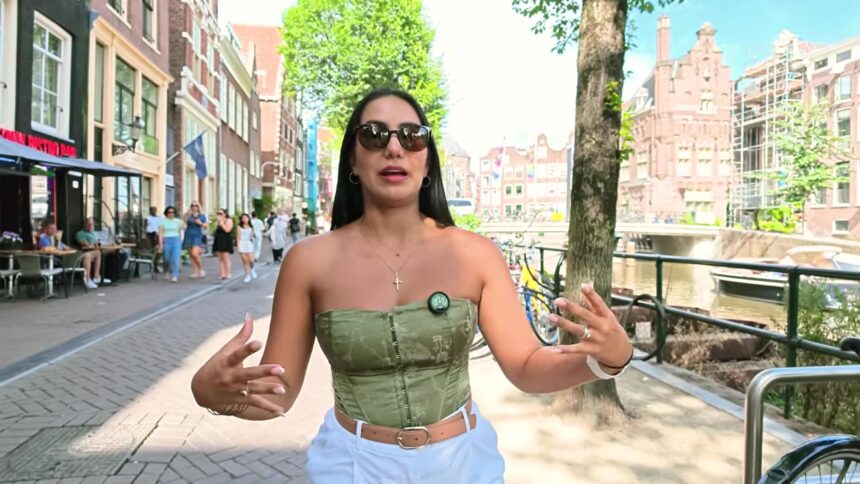
What to know before visiting Amsterdam is simple: come for the canals and museums, but plan for crowds, fast-moving bicycles, advance bookings and a city that expects visitors to behave like guests rather than spectators. This guide explains how to arrive from Schiphol, when to visit, what key transport and attraction costs look like in 2026, and where to base yourself. It also gives you a respectful, practical way to experience the historic centre, nightlife and Red Light District without reducing Amsterdam to its stereotypes.
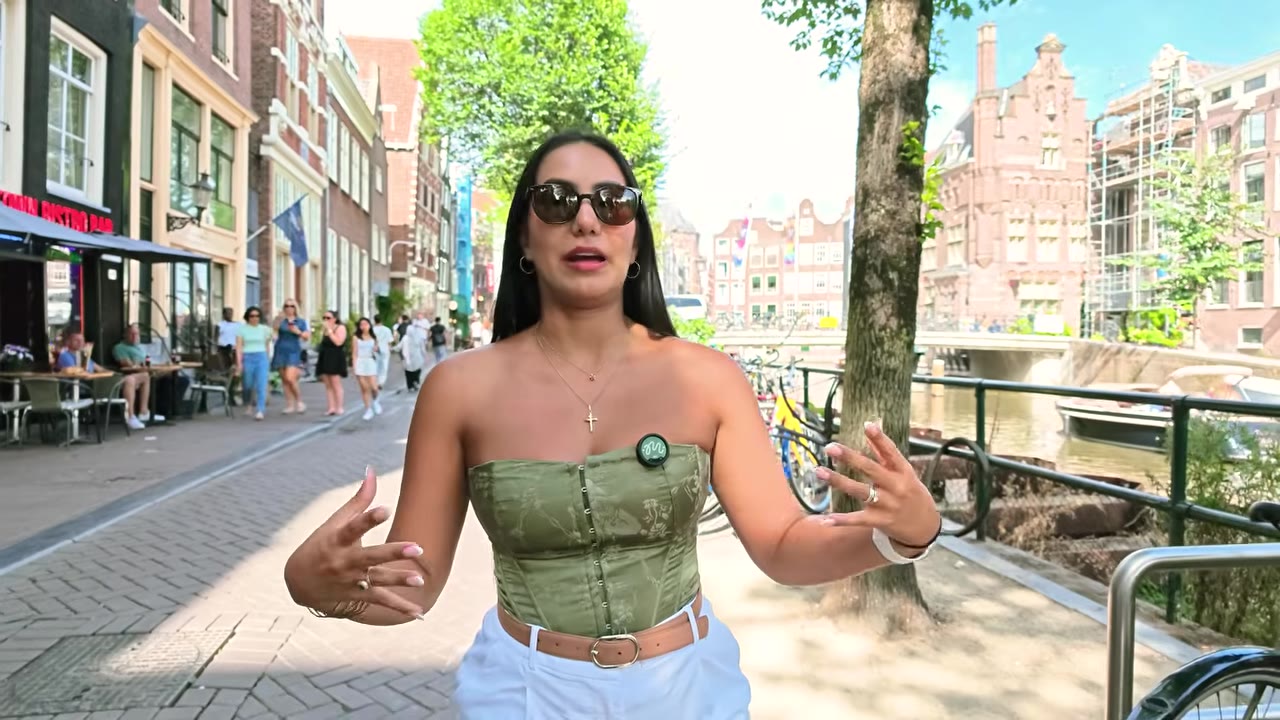
What Michelle Thielen’s journey shows
- She begins with Amsterdam’s historic setting: the canal belt, narrow gabled houses and the compact streets that make walking the centre so memorable.
- Her route moves through the city’s everyday rhythm, including Amsterdam’s famously bike-oriented streets and public spaces.
- She explores the central canal district and its mix of history, tourism, nightlife and international energy.
- The video addresses Amsterdam’s liberal reputation, including the Red Light District and cannabis culture, while asking what these areas mean beyond the headline image.
- It closes on the wider appeal of the Dutch capital: a city shaped by water, trade, architecture and an unusually lively street scene.
Watch Michelle Thielen’s Amsterdam visit first, then use the practical notes below to build a trip that is easier, calmer and more respectful.
How to get to Amsterdam and move around
For most international visitors, Amsterdam Airport Schiphol is the easiest gateway. The rail station is directly beneath the terminal, and trains reach Amsterdam Centraal in roughly 14 to 17 minutes. You can buy a ticket at the airport or use a contactless bank card, credit card or phone to check in and out.
Amsterdam Centraal is useful, but do not feel obliged to stay beside it. The centre is compact enough to explore on foot, while trams, metros and buses fill the gaps. If you expect to make several journeys in one day, a GVB day ticket covers GVB trams, buses and metros; it does not cover NS trains or other operators.
Flying in for a short break? The Amsterdam Travel Ticket can be more convenient because it includes airport travel and city transport. If you are continuing through Europe by rail, Amsterdam is also easy to connect with other major cities; leave enough time at Amsterdam Centraal for platforms, luggage and crowds.
Best time to visit Amsterdam
For a balance of daylight, pleasant walking weather and a little more breathing room, aim for April, May, September or early October. Spring tulip season runs broadly from mid-March to early May, but it also brings heavier demand; July and August are typically the warmest months and the busiest for outdoor city life.
November through March is generally the more affordable period, according to the city’s visitor office, though shorter days and wet weather make museum booking and indoor plans especially useful. Winter can be an excellent choice if your priority is galleries, cosy cafés and quieter canal walks rather than flowers or terrace weather.
Whatever the season, reserve the attractions that matter most before you book the rest of your days. The Anne Frank House sells online timed tickets only, while the Rijksmuseum requires visitors to book a start time. This is similar to planning a popular Paris visit: our Paris Catacombs guide explains why locking in a timed cultural visit early can protect the whole itinerary.
What Amsterdam costs in 2026
Amsterdam rewards a realistic budget. Accommodation changes sharply with dates and events, so compare total prices rather than headline nightly rates. Note that Amsterdam’s tourist tax is 12.5% of the overnight price excluding VAT, and it applies across hotels, hostels, guesthouses and many short-stay options.
| Item | 2026 price | What it covers |
|---|---|---|
| GVB 1-hour ticket | €3.40 | One hour on GVB city transport |
| GVB day ticket | €10 | Unlimited GVB travel for 24 hours |
| Amsterdam Travel Ticket, 1 day | €20 | Airport connection plus Amsterdam transport |
| Rijksmuseum adult admission | €25 | Timed museum entry; ages 18 and under enter free |
| Anne Frank House adult admission | €16.50 | Online timed museum ticket, including booking fee |
| MacBike city bike, 1 day | €17.95 | Example city-bike rental rate; optional insurance may be extra |
Prices above were checked against the listed official operators in October 2026. A canal cruise, museum special exhibition, restaurant meal or bike insurance can add meaningfully to the total, so use the table as a planning base rather than a complete daily budget. For activities, choose operators that state exactly what is included and avoid treating the Red Light District as an entertainment product.

Where to stay in Amsterdam
Choose your base according to the trip you want, not just the postcode. The Canal Ring is beautiful and central for a first visit, but it can be expensive and noisy near the busiest nightlife streets. Jordaan works well for atmospheric lanes, restaurants and canal walks; De Pijp is a more local-feeling option near Museumplein; Oost and Noord can offer more space and a different perspective on the city.
Book accommodation early for spring, summer and school-holiday dates, and read recent reviews specifically for stair access, air-conditioning, street noise and the exact distance to a tram or metro stop. Amsterdam’s historic houses often have steep staircases, which matters with heavy luggage or limited mobility. For another canal-city comparison, see our Venice first-time guide, where choosing a calmer district makes a similarly large difference to the experience.
Safety, bikes and responsible nightlife
Amsterdam is not a theme park for “anything goes.” The municipality prohibits public drinking and smoking cannabis in the public areas of the city centre, prohibits pub crawls, and does not allow guided tours in the Red Light District. Fines for nuisance can range from €100 to €650.
Visit De Wallen with the same standards you would use in any residential and working neighbourhood: do not photograph sex workers or their windows, do not block doorways, keep your voice down and do not join a crowd simply watching people at work. If you choose to visit a coffeeshop, follow its rules and consume only where permitted; never assume street use is allowed.
On foot, stay out of bike lanes and look both ways before stepping across them. If you rent a bicycle, practise braking and signalling before entering the busiest centre streets, use both locks, and park only where permitted. Amsterdam itself notes that cycling can be challenging and provides safety guidance for riders.
Day-by-day (how to travel it yourself)
Day 1: Canals, the historic centre and an evening on the water.
Arrive at Schiphol, take the train to Amsterdam Centraal and leave bags at your accommodation. Walk from Centraal through Damrak and Dam Square, then slow down around the Herengracht, Keizersgracht and Prinsengracht canals. Take a daytime or sunset canal cruise, have dinner outside the busiest central lanes, and save the Red Light District for a short, respectful walk rather than a long night.
Day 2: Amsterdam’s cultural core.
Start with a reserved Rijksmuseum time slot, then walk through Museumplein and Vondelpark. Spend the afternoon in De Pijp: browse the Albert Cuyp area, pause for coffee, and use a tram back toward the canal belt. If the Anne Frank House is your priority, build the day around its exact reserved entry time instead and keep the surrounding schedule light.
Day 3: Live like the city is larger than the centre.
Rent a bike only if you are confident in urban cycling; otherwise use public transport. Explore Jordaan in the morning, take the free ferry behind Centraal to Amsterdam-Noord for a different skyline view, then return for a final canal-side meal. This slower final day helps balance the city’s big sights with the neighbourhood texture that Michelle’s journey points toward.
Frequently asked questions
Do I need cash in Amsterdam?
Usually not, but carry a backup payment method. Contactless payment is widely useful for public transport, while some smaller businesses may prefer debit cards or have limited card policies. Check before ordering or shopping.
Is three days enough for Amsterdam?
Yes. Three days is enough for the canal belt, one or two major museums, a canal cruise and time in neighbourhoods beyond the busiest streets. Add a fourth day if you want a relaxed pace or a day trip.
Can I buy Anne Frank House tickets at the door?
No. The museum sells online tickets for a specific time slot only. Tickets are released six weeks ahead every Tuesday at 10:00 CEST, so set a reminder if it is essential to your trip.
Is Amsterdam only worth visiting for nightlife?
No. The nightlife is only one layer of the city. Its strongest experiences are often its canals, art collections, parks, neighbourhood cafés, architecture and the ability to move between them easily on foot, tram or bicycle.
Facts and prices verified in October 2026. Travel with Influencers is an independent fan/editorial guide, not affiliated with or endorsed by the creators featured. Watch and support the original creator: Michelle Thielen on YouTube.