A Transfăgărășan road trip is one of Romania’s most memorable drives, but it only works well if you plan around the short alpine season, weather and slow mountain traffic. This guide explains how to drive DN7C independently, where to stop for the best views, what the verified 2026 Bâlea cable-car prices are and where to base yourself on either side of the Făgăraș Mountains. You will also find a simple route that turns the road into a relaxed two-day trip rather than a rushed drive.
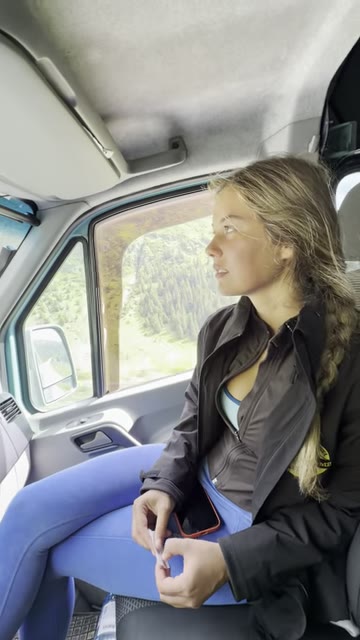
What Haida in Lume’s journey shows
- The journey begins on the Transfăgărășan’s mountain approach, where the road starts to trade forest for open, high-altitude scenery.
- It follows the famous sequence of tight bends and sweeping viewpoints that make DN7C a destination rather than simply a route between regions.
- The video brings the viewer into the Bâlea area, the natural focal point of a Transfăgărășan road trip.
- It pauses for the dramatic mix of glacial landscape, roadside viewpoints and the scale of the Făgăraș Mountains.
- It captures the essential lesson for visitors: this is a road to experience slowly, with time for weather, photographs and unplanned stops.
Watch Haida in Lume’s short journey here, then use the practical details below to plan your own drive.
How to get there and drive the route
The Transfăgărășan is National Road DN7C, crossing the Făgăraș Mountains between the south, near Curtea de Argeș and the Vidraru area, and the north, near Cârțișoara in Sibiu County. The complete road is about 151 kilometres long, but the high section around Bâlea Lac is the section that needs the most time and attention.
Most international visitors rent a car in Bucharest, Sibiu or Brașov. Bucharest is the practical southern gateway if you want to combine the road with Curtea de Argeș, Vidraru Dam and a night in the Argeș area. Sibiu is the better northern gateway for a scenic drive that continues through Transylvania. A regular car is enough in the open season; this is a paved public road, not an off-road route.
Drive from south to north if you want the drama to build gradually: Curtea de Argeș, Vidraru Lake, the forested ascent, Bâlea Lac, then the long descent towards Cârțișoara. Drive north to south if Bâlea Lac is your first major goal from Sibiu. Either way, do not treat navigation’s estimated journey time as your real schedule. Hairpins, parked cars, photographs, livestock, rain and queues at Bâlea all add time.
For more viewpoints and stop-by-stop ideas, see our companion guide to Transfăgărășan scenic stops. If you are linking this drive into a larger route, our look at travelling Europe by road will help you avoid an overpacked itinerary.
Best time for a Transfăgărășan road trip
For driving the full high route, aim for late June through September, with July and September often offering the best balance of access and daylight. In 2026, CNAIR reopened the Bâlea Cascadă–Piscul Negru sector on June 12, after weather delayed the planned morning opening; the summer traffic window was set at 07:00–21:00.
That date is not a promise for future years. The alpine sector closes in the cold season because of snow, avalanche danger and extreme mountain conditions, and the reopening date depends on inspections and weather. Check official road-status information immediately before departure, especially after heavy rain or storms. Even in summer, take a waterproof layer and a warm mid-layer: Bâlea Lac sits at 2,034 metres and conditions can change quickly.
Start early. Arriving at Bâlea before mid-morning gives you calmer parking, clearer light and more flexibility if clouds roll in. Weekdays are generally easier than summer weekends. If you only want photographs, sunrise or late afternoon can be beautiful, but never plan to be on the high sector after its posted traffic hours.
What it costs in 2026
The road itself is the main attraction, so keep the budget simple: fuel, a valid Romanian electronic road vignette where required on the national-road network, meals, parking where charged and accommodation. The Bâlea cable car is most useful outside the driving season or when you want to reach Bâlea Lac from Bâlea Cascadă without driving the alpine road. Romania’s road-vignette rules apply to the national-road network outside the exempt urban sections; buy and verify it through the official eRovinieta portal.
| Verified 2026 item | Price | Notes |
|---|---|---|
| Bâlea cable car, adult one way | 80 RON | Bâlea Cascadă to Bâlea Lac |
| Bâlea cable car, adult return | 160 RON | Return journey |
| Bâlea cable car, child aged 2–12, one way | 40 RON | Children under 2 travel free |
| Additional luggage | 20 RON | Per item beyond hand luggage |
| Bicycle transport | 80 RON | Per bicycle, one way |
Where to stay
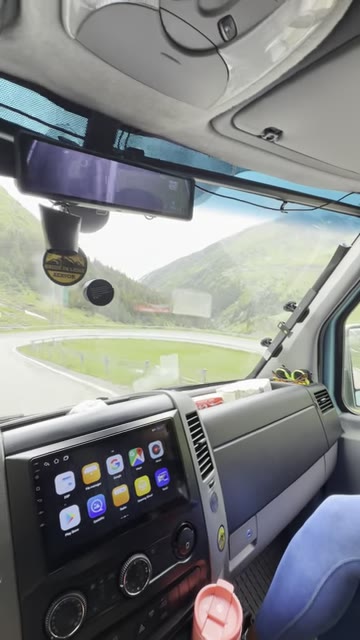
For a quieter, more flexible trip, stay on one side of the mountains rather than trying to cross DN7C and continue for several more hours. Curtea de Argeș is the best southern base for travellers coming from Bucharest, while Sibiu is the strongest northern base for restaurants, transport connections and an onward Transylvania itinerary.
Choose accommodation around Cârțișoara if you want an early northern approach and a lower-key mountain evening. Staying at Bâlea Lac is the most atmospheric option, but availability is limited and weather can shape logistics. The cable-car operator gives priority to guests staying at Bâlea Lac or Bâlea Teleferic, so confirm arrangements directly if you are visiting when the road is closed.
Safety and practical driving tips
Do not rush the bends, overtake impulsively or stop in a live lane for a photograph. Use designated pull-offs, keep headlights on when visibility drops and let faster local traffic pass when it is safe. The road is beautiful because it is narrow, steep and exposed in places; it is not a route for performance driving.
Wild bears are a serious issue around the Transfăgărășan. Stay inside your vehicle if you see one, keep distance, never feed or approach it, and do not create a roadside crowd. CNAIR’s 2026 warning noted frequent bear sightings and stated that feeding bears is illegal, with fines of 10,000–30,000 RON.
Bring water, snacks, a charged phone and offline maps. Mobile signal can be inconsistent, and weather can pause the cable car or cause temporary road restrictions. At the lake, give yourself time to walk, but stay on marked paths if you go beyond the roadside area.
Day-by-day (how to travel it yourself)
Day 1: Bucharest or Curtea de Argeș to the southern Transfăgărășan. Arrive in Curtea de Argeș, stock up on water and food, then drive north towards Vidraru Lake and the forested southern approach. Stop at safe viewpoints rather than trying to photograph every bend. Stay in Curtea de Argeș if you arrived late, or continue to a rural stay nearer the road for an early start.
Day 2: Vidraru, Bâlea Lac and Sibiu. Leave early and give the mountain section most of the day. Pause at Vidraru, continue through the hairpins to Bâlea Lac, walk around the lake area and have lunch before descending north to Cârțișoara and Sibiu. If the alpine road is closed, drive to Bâlea Cascadă and use the cable car instead, subject to operating weather and conditions.
Make the road your principal activity, not a short diversion between two distant hotels. That is the difference between simply crossing the mountains and actually enjoying them.
Frequently asked questions
Is the Transfăgărășan open all year?
No. The high Bâlea sector closes during the cold season because snow, avalanche risk and severe weather make it unsafe. In 2026, the high section reopened on June 12, but exact dates vary with conditions.
Can I drive the Transfăgărășan with a normal rental car?
Yes, during the open season a normal road car is suitable. Drive carefully, use pull-offs for photographs and check your rental agreement for Romania’s road-vignette requirements.
What is the best stop on the Transfăgărășan?
Bâlea Lac is the essential high-altitude stop, combining a glacial lake, mountain views, food options and access to short walks. Vidraru Lake and the southern ascent add a very different, forested side of the route.
Are bears common on the Transfăgărășan?
Bear sightings do occur, particularly where visitors stop beside the road. Stay in your car, keep your distance and never feed wildlife; Romanian authorities specifically warn against approaching or feeding bears.
Facts and prices verified in August 2026. Travel with Influencers is an independent fan/editorial guide, not affiliated with or endorsed by the creators featured. Watch and support the original creator: Haida in Lume on YouTube.