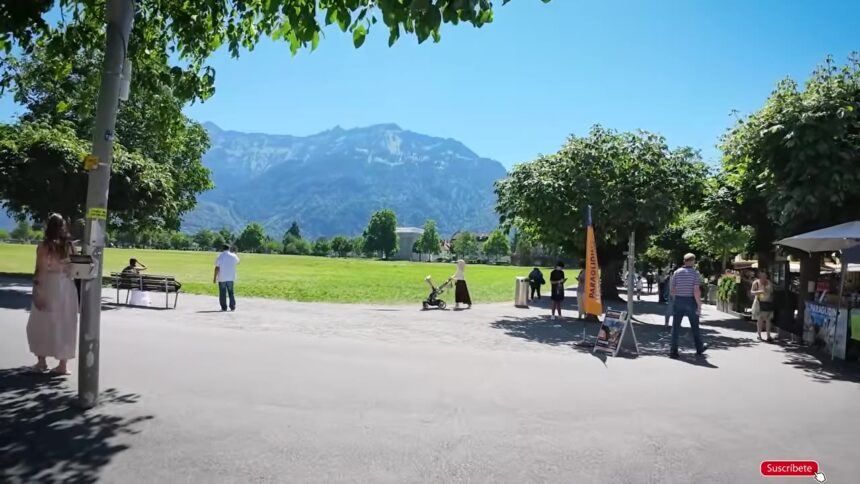
Yes, Interlaken is worth visiting if you want an easy base for huge Alpine scenery, mountain railways and outdoor experiences—but it is not the quiet, storybook Swiss village many first-time visitors expect. The town itself is busy, commercial and expensive, while the real magic lies in the lakes, peaks and mountain villages around it. This guide explains what Gabriel Herrera’s visit captures, how to reach Interlaken, what the major excursions cost in 2026, where to stay and how to plan a realistic trip.
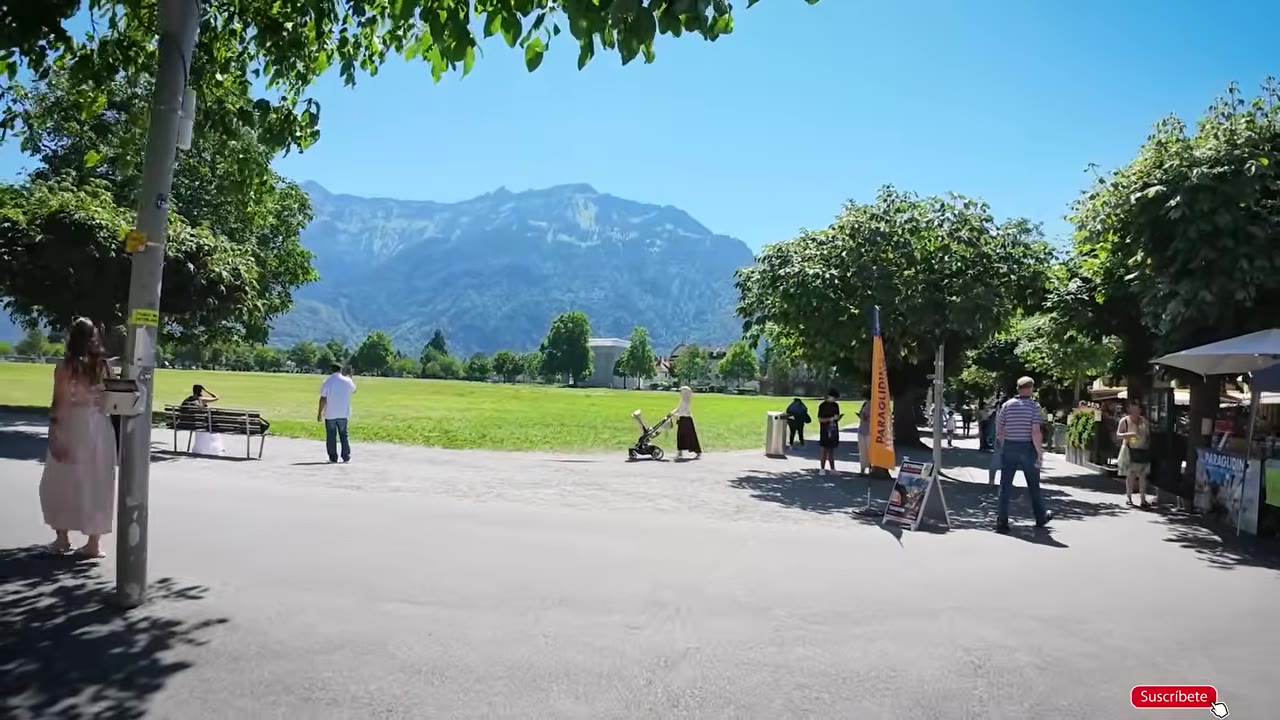
What Gabriel Herrera’s journey shows
- He begins with first impressions of Interlaken as a highly visited Swiss mountain destination rather than an isolated Alpine village.
- The journey highlights the dramatic setting between Lake Thun and Lake Brienz, with the Bernese Alps rising beyond the town.
- He explores the central Interlaken atmosphere, where souvenir shops, hotels, restaurants and tour operators make the destination feel lively and tourist-focused.
- The video contrasts the postcard-scale mountain views with the practical reality of visiting a famous Swiss resort town.
- It closes on an honest question that matters for every traveler: whether the scenery and access to the Jungfrau Region justify Interlaken’s crowds and high prices.
Watch Gabriel Herrera’s full visit before deciding which parts of the region suit your own trip.
How to get to Interlaken
Interlaken has two stations: Interlaken West, close to the main shopping and hotel area, and Interlaken Ost, the key station for trains toward Lauterbrunnen, Grindelwald and Jungfraujoch. If you are staying only a short time, Interlaken Ost is usually the most convenient base because it connects directly to the mountain railways.
From Zurich Airport, travel by train via Zurich HB, Bern, Thun and Spiez; SBB lists the Grindelwald–Interlaken–Bern–Zurich Airport corridor among its Swiss rail connections. Check the live timetable before departure rather than relying on a fixed connection, especially during engineering work. From October 19 through December 11, 2026, work between Interlaken West and Interlaken Ost means replacement buses are operating on that section.
For excursions, think of Interlaken as a transport hub. The train from Interlaken Ost reaches Grindelwald Terminal for the Eiger Express route, while the Lauterbrunnen line opens up Wengen and Mürren. Jungfrau Railways says the onward fast route from Grindelwald Terminal to Jungfraujoch takes around 50 minutes, including transfers.
When is the best time to visit?
For most first-time visitors, late May, June, September and early October offer the best balance: mountain transport is broadly operating, hiking routes are more accessible than in winter, and the busiest school-holiday period is easier to avoid. Summer, from June through August, is Switzerland’s warmest and sunniest period, but it is also when Interlaken feels most crowded and accommodation is hardest to secure.
Visit from December through March if skiing, snowy villages and winter walks matter more than lake activities. Spring can be beautiful at valley level but conditions higher up remain variable. Whatever the month, do not choose a major mountain excursion solely from a weather app the night before: check webcams, lift operations and visibility on the morning itself.
What Interlaken costs in 2026
Interlaken can work for different budgets, but mountain transport is the major expense. A town walk, the Höhematte park and lakefront time cost little; a day at Jungfraujoch is a premium experience. The published starting prices below are for adult products and can change with route, date, discount card and availability.
| Experience or ticket | Published 2026 price | Important detail |
|---|---|---|
| Harder Kulm funicular | From CHF 22 | Interlaken’s local mountain; journey from the valley station takes about 10 minutes. |
| Jungfraujoch return ticket | From CHF 129.60 | Jungfraujoch is at 3,454 metres and open year-round. |
| Jungfraujoch seat reservation | CHF 10 | Mandatory from May 1 to October 31, 2026. |
| Jungfrau Travel Pass | From CHF 165 | Available for 3 to 8 days; includes listed regional trains, buses, boats and mountain railways, with a special Jungfraujoch fare. |
| Grindelwald-First ticket | From CHF 38 | Useful for the First Cliff Walk and hikes toward Bachalpsee. |
| Schynige Platte ticket | From CHF 34 | Historic cogwheel railway from Wilderswil. |
If Jungfraujoch is your priority in the May 1 to October 31 season, the official Good Morning Ticket offers an early-start discount but requires one of the first two connections and a return descent from Jungfraujoch by 13:17. It is a good value only if an early departure genuinely suits your itinerary.
What to do: choose quality over a rushed checklist
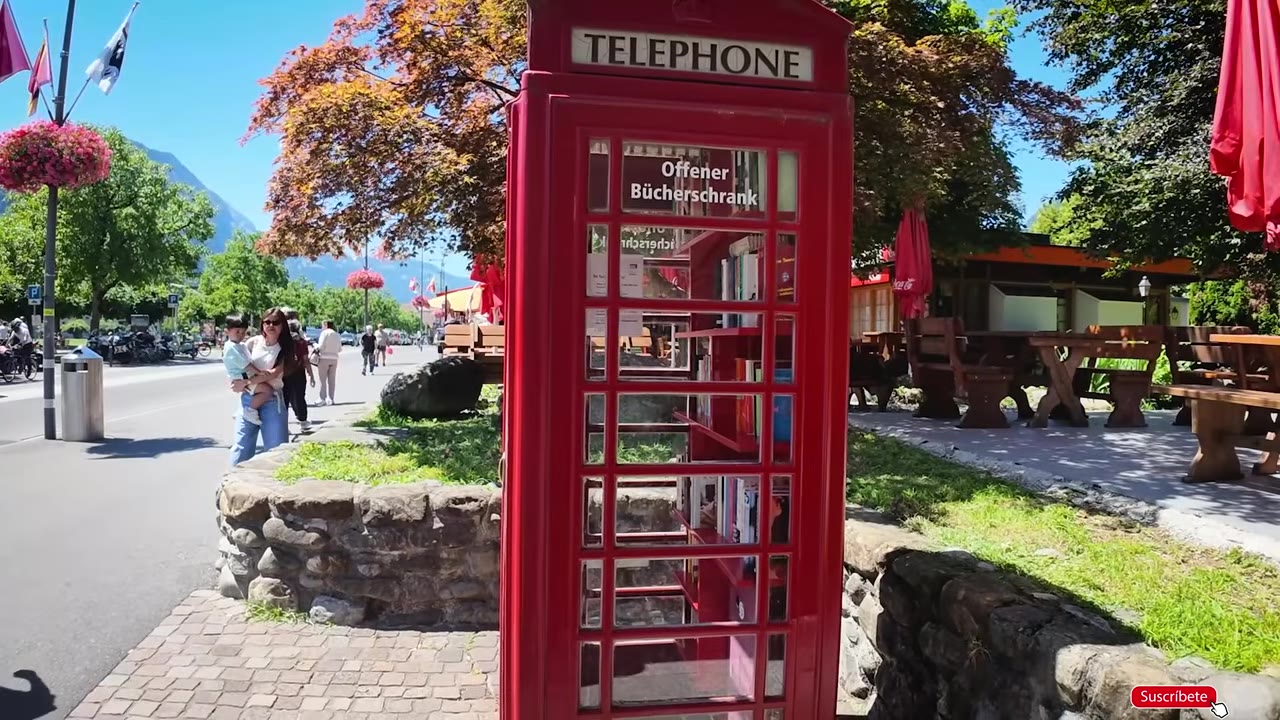
Interlaken is worth visiting most when you treat it as a base, not the entire destination. Start with a low-effort orientation: walk the Höheweg, pause on the Höhematte to watch paragliders, then take the Harderbahn up to Harder Kulm for views over both lakes and the Eiger, Mönch and Jungfrau. The funicular is the fast way to understand the landscape.
Give one full day to either Jungfraujoch, Lauterbrunnen and Mürren, or Grindelwald and First. Trying to fit all of them into one day produces long queues, expensive tickets and little time outdoors. For a gentler alternative, take a lake cruise or travel to Iseltwald, Brienz or Thun. Switzerland Tourism also highlights Giessbach Falls, St. Beatus Caves and kayaking among the lake-region options.
Where to stay in Interlaken
Stay near Interlaken Ost if you plan early departures to Grindelwald, Lauterbrunnen or Jungfraujoch. Stay around Interlaken West if you value restaurants, shops and easier access to Lake Thun connections. For a quieter night, compare Wilderswil, a short rail ride away, or Lauterbrunnen if waterfalls and a village setting matter more than having every service outside your door.
Book accommodation with a confirmed local guest card or pass arrangement, then ask your host exactly what local transport is included. Interlaken Tourism changed the Interlaken Pass provider on January 12, 2026, so older information and old booking links may not apply. For a wider planning overview before committing to Switzerland’s high costs, read our Switzerland travel realities and cost guide.
Safety and practical tips
Interlaken itself is straightforward for independent travelers, but the mountains demand planning. Carry a waterproof layer, warm insulation, sun protection and sturdy footwear even in summer. At higher altitude, temperatures and visibility can change quickly. Choose marked trails that match your fitness, check operating hours, and turn back if weather deteriorates.
At Jungfraujoch, move slowly after arrival and drink water; the altitude is 3,454 metres. Reserve your seat in the busy May-to-October period, allow a full day for the trip, and do not schedule a non-refundable activity immediately afterward. If you prefer city sightseeing with underground history over mountain railways, our Paris Catacombs guide is a useful contrast for planning a European stop with timed entry.
Day-by-day (how to travel it yourself)
Day 1: Arrive in Interlaken, check in near Interlaken Ost or West, walk the Höheweg and spend late afternoon at Harder Kulm. Have dinner in town and use the evening to confirm the next day’s weather and transport.
Day 2: Make this your one major mountain day. In clear weather, take the early train from Interlaken Ost via Grindelwald Terminal and the Eiger Express to Jungfraujoch. Return through Kleine Scheidegg and Lauterbrunnen if your ticket and timing allow, giving you a different landscape on the way back.
Day 3: Choose a slower lake-and-valley day: Lauterbrunnen and Mürren for waterfalls and mountain villages, or Lake Brienz and Giessbach Falls for water views. Travelers continuing through Italy can pair the Alpine contrast with our Venice first-time guide.
Frequently asked questions
Is Interlaken worth visiting for one day?
Yes, for Harder Kulm, a walk through town and one nearby lake or valley. For Jungfraujoch or a proper Lauterbrunnen visit, stay at least two nights.
Is Interlaken or Lauterbrunnen better?
Interlaken is better for rail connections, hotel choice and restaurants. Lauterbrunnen is more scenic and quieter at night, but it has fewer services and can be more inconvenient for broader day trips.
Do I need to book Jungfraujoch in advance?
For travel from May 1 to October 31, 2026, the CHF 10 seat reservation is mandatory. Book the ticket and reservation after checking the forecast, especially if clear views are important to you.
Is Interlaken too touristy?
The central town can feel touristy, particularly in summer. It is still worthwhile if you use it as a convenient base and spend most of your time in the surrounding lakes, valleys and mountains.
Facts and prices verified in October 2026. Travel with Influencers is an independent fan/editorial guide, not affiliated with or endorsed by the creators featured. Watch and support the original creator: Gabriel Herrera on YouTube.