A Gorée Island Senegal travel guide should begin with one clear idea: visit this small island off Dakar slowly, respectfully, and with enough time to understand both its painful history and its living community. This guide explains how to take the public ferry from Dakar, what to expect at the House of Slaves, where to stay, and how to plan a meaningful day or overnight trip. It also follows the route shown by Viajando con Vero, while adding the practical details needed to make the journey yourself.
What Viajando con Vero’s journey shows
- Leaving Dakar for Gorée Island by boat and approaching the island across the Atlantic.
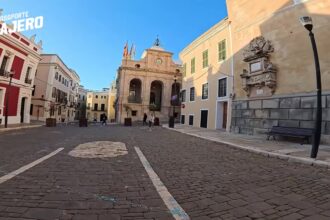
- Walking through Gorée’s bright colonial-era streets, waterfront views, and everyday island life.
- Entering the House of Slaves, a historic memorial and museum on Rue Saint-Germain.
- Seeing the former holding rooms and the symbolic Door of No Return facing the sea.
- Reflecting on Gorée as a place of memory, but also as a lived-in island shaped by art, hospitality, and community.
Watch Viajando con Vero’s visit before you go, then use the practical notes below to plan your own respectful trip.
Why Gorée Island matters
Gorée lies opposite Dakar and has been a UNESCO World Heritage Site since 1978. UNESCO describes the island as a place that bears witness to the transatlantic slave trade, with its forts, streets, traders’ houses, and slave quarters forming a powerful landscape of memory. The island is compact, but its historical significance is immense.
The House of Slaves is the visit’s emotional centre. Its rooms, stairs, courtyard, and Atlantic-facing Door of No Return are intended as a memorial to people subjected to enslavement and forced displacement. It is important to visit with attention rather than treating the building as a photo stop. Current interpretation also recognises that historians debate Gorée’s precise role and scale within the wider slave trade; that debate does not lessen the island’s importance as a place of remembrance and dialogue.
If you are drawn to difficult historical sites, you may also find our Paris Catacombs guide useful for planning a thoughtful, unhurried visit to a place shaped by collective memory.
How to get to Gorée Island from Dakar
The simplest route is the public Dakar–Gorée ferry, locally called the chaloupe. It leaves from Dakar’s maritime terminal, and the Port Autonome de Dakar publishes the service timetable and fares. The House of Slaves advises visitors to bring identification or a passport for access to the embarkation area; the crossing takes about 20 minutes.
For a relaxed day trip, aim for a morning sailing from Dakar. This gives you time for the House of Slaves, the waterfront, a simple lunch, Fort d’Estrées and the island’s upper paths without watching the clock. Return schedules vary between weekdays and Sundays or public holidays, so check the official Port Autonome de Dakar timetable shortly before departure.
Buy your ferry ticket at the terminal rather than relying on an unverified online reseller. Keep your return journey in mind: the last boat is not a detail to leave until dinner.
Best time to visit Gorée Island
For most travellers, the drier months from November through April are the easiest time to combine Gorée with Dakar sightseeing. Expect sunnier conditions and less rain, but note that the Harmattan can bring dusty air and reduced visibility during this period. Senegal’s wetter season generally runs from May to November and can bring heavy rainfall and local flooding in Dakar.
On any date, take the first or second practical ferry of the day if possible. Morning light is gentler, the island is calmer, and you can spend more time listening and learning at the House of Slaves before the busiest part of the day. Dress modestly for a memorial site, carry water, and bring sun protection for the open streets and coastal paths.
What Gorée Island costs in 2026
Bring West African CFA francs (XOF) for ferry tickets, admission, food, small purchases, and gratuities. The figures below are published by the ferry operator and the House of Slaves; they cover the core costs that can be verified in advance. Meals, guides, art purchases, and accommodation vary, so budget those separately.
| Item | 2026 price | Notes |
|---|---|---|
| Dakar–Gorée ferry return, non-resident adult | 5,200 XOF | Published fare for a non-resident adult. |
| Dakar–Gorée ferry return, non-resident child | 2,700 XOF | Published fare for a non-resident child. |
| House of Slaves admission, non-resident | 1,500 XOF | Buy after arriving on Gorée. |
| House of Slaves admission, student with ID | 250 XOF | Valid student identification required. |
The House of Slaves also offers advance booking for private or educational visits. For independent visitors, its official guidance says tickets can be purchased after arriving on the island.
Where to stay: Gorée Island or Dakar?
Most first-time visitors should stay in Dakar and visit Gorée as a full-day excursion. Dakar offers more choice, easier airport logistics, and a wider range of restaurants, while Gorée is ideal if you want the quieter experience of seeing the island after day visitors have left.
For an overnight on Gorée, look for a small guesthouse rather than expecting a large resort. Choose a room with confirmed electricity, cooling, breakfast arrangements, and clear ferry timing for your departure day. In Dakar, the Plateau area is practical for the ferry terminal, while other neighbourhoods may suit travellers planning a longer city stay.
Build a broader Senegal itinerary around Dakar and Gorée, then consider a wildlife contrast with our Maasai Mara Safari Guide for a future East African trip.
Respectful visiting, safety, and practical tips
Gorée is not an open-air theme park. Speak quietly inside the House of Slaves, ask permission before photographing residents or artists, and do not pose in ways that trivialise the site’s history. A local guide can add context, particularly if you want a fuller understanding of the island beyond the memorial building.
Gorée itself is walkable, but the streets are uneven and the upper island has slopes and exposed paths. Wear secure shoes rather than beach sandals, carry water, and leave large luggage in Dakar unless you are staying overnight. French is especially useful, though guides and tourism workers may also speak English.
For current national guidance, the U.S. Department of State lists Senegal at Level 1, advising normal precautions, while still recommending awareness of surroundings and care with valuables. Before travel, review current health advice, arrange insurance, and discuss recommended vaccines and malaria prevention with a qualified travel-health professional.
Day-by-day (how to travel it yourself)
Day 1: Dakar to Gorée Island. Take a morning ferry from Dakar and walk from the landing point to the House of Slaves. Give the museum time: read the displays, join a guide if available, and pause before the Door of No Return. Afterwards, walk the waterfront and colourful side streets, visit Fort d’Estrées and its historic setting, have lunch on the island, then climb toward the upper viewpoints before returning to Dakar on an afternoon or early-evening sailing.
Optional Day 2: Sleep on Gorée. Stay overnight in a guesthouse, take an early walk before the first large groups arrive, visit an art gallery or speak with local craftspeople, then return to Dakar after breakfast or lunch. This slower option is especially worthwhile for travellers who want space to process the memorial visit.
For another island-focused plan with practical transport advice, see our Saona Island guide.
Frequently asked questions
Can you visit Gorée Island as a day trip from Dakar?
Yes. The public ferry makes Gorée an easy full-day trip from Dakar, and a morning departure gives you enough time for the House of Slaves, a walk around the island, lunch, and a relaxed return.
How long is the ferry from Dakar to Gorée?
The House of Slaves states that the crossing takes around 20 minutes. Arrive earlier than your intended sailing to buy tickets and complete terminal procedures.
Is the House of Slaves suitable for children?
It can be, but parents should prepare children for the subject matter and keep the visit age-appropriate. This is a memorial addressing enslavement, separation, and violence, not a conventional attraction.
Should I stay overnight on Gorée Island?
An overnight is not essential, but it is rewarding if your schedule allows. The island becomes much quieter after the last day-trippers leave, giving you more time to appreciate its community, architecture, and atmosphere.
Facts and prices verified in October 2026. Travel with Influencers is an independent fan/editorial guide, not affiliated with or endorsed by the creators featured. Watch and support the original creator: Viajando con Vero on YouTube.